
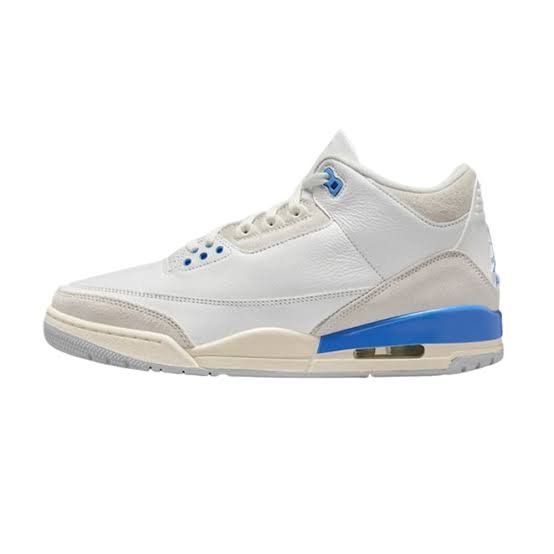
Jordan 3 Buying Guide: What You Need to Know
The Jordan 3 Buying Guide is designed for anyone who wants to understand one of the most influential sneakers in basketball and streetwear before spending money on a pair.
First released in 1988, the Air Jordan 3 helped establish the visual language that still defines the Jordan Brand today. Its mid-top construction, visible Air cushioning, distinctive elephant-print detailing, and famous Jumpman branding made it immediately recognizable. More importantly, the model played an important role in the history of Michael Jordan’s signature footwear.
But knowing the history is only part of the buying decision. If you are considering a Jordan 3, you may also want to know whether it runs true to size, how comfortable it is, which materials to look for, how different colorways compare, how to spot questionable pairs, and whether the sneaker fits your lifestyle.
This guide covers those questions in practical terms so you can make a more informed decision.
Key Takeaways
- The Jordan 3 is a classic basketball-inspired sneaker known for its leather construction, elephant print, visible Air cushioning, and distinctive mid-top shape.
- Most wearers generally find Jordan 3 sizing close to true to size, although foot shape and personal preference can affect the best fit.
- Different Jordan 3 releases can vary in materials, color blocking, cushioning feel, and overall finish.
- Popular colorways can be easier to style, while more unusual releases may appeal to collectors and enthusiasts.
- Authenticity matters when buying through resale or secondary markets, so seller reputation and purchase protections are important.
- The best Jordan 3 for you depends on fit, intended use, budget, style preferences, and whether you prioritize everyday wear or collecting.
Main Article
What Is the Jordan 3?
The Air Jordan 3 is the third signature basketball sneaker associated with Michael Jordan. Designed by Tinker Hatfield, it arrived at a pivotal moment in the history of the Air Jordan line.
Unlike some earlier basketball shoes, the Jordan 3 introduced a more lifestyle-oriented visual identity while retaining performance features intended for the court. Its design combined a mid-top silhouette with visible Air cushioning and the now-famous elephant-print panels.
The sneaker also became strongly associated with Michael Jordan’s career during the late 1980s. That combination of performance history, recognizable design, and cultural significance helped turn the Jordan 3 into more than just an athletic shoe.
Today, it occupies an unusual position. It can be viewed as a basketball heritage model, a streetwear sneaker, a collector’s item, or simply an everyday shoe.
Why the Jordan 3 Remains Popular
Several characteristics explain why the model continues to attract attention decades after its original release.
1. A distinctive silhouette
The Jordan 3 has a recognizable mid-top profile that separates it from many low-cut lifestyle sneakers. The padded collar and structured upper give it a substantial appearance without making it look overly technical.
2. Signature elephant print
Elephant print is arguably the most recognizable visual detail associated with the Jordan 3. It typically appears around the toe and heel areas and creates contrast against the primary upper.
The exact treatment can vary between releases, but the pattern remains central to the sneaker’s identity.
3. Visible Air cushioning
The Jordan 3 introduced visible Air cushioning at the heel, giving the sneaker an immediately recognizable technical detail.
While modern performance basketball footwear has advanced considerably, the visible Air unit remains an important part of the Jordan 3’s heritage and appeal.
4. Michael Jordan’s legacy
The sneaker’s connection to Michael Jordan gives it historical importance that extends beyond fashion.
For basketball fans and sneaker collectors, buying a Jordan 3 can therefore be partly about owning a piece of footwear history.
Jordan 3 Sizing: Does It Run True to Size?
Sizing is one of the most important considerations when buying a Jordan 3.
For many wearers, the Jordan 3 fits relatively close to true to size. However, there is no universal answer because foot width, sock thickness, personal preference, and the specific release can affect how a pair feels.
If you normally wear a particular Nike or Jordan size comfortably, that size is a sensible starting point.
If you have wide feet
People with wider feet may want to pay particular attention to the toe box and overall volume of the shoe.
A snug fit can be acceptable for some wearers, but excessive pressure around the forefoot is a sign that the shoe may not be suitable in that size.
Instead of automatically sizing up, consider checking the specific release’s sizing information and return policy.
If you prefer a roomy fit
If you like additional space around your toes, you may be tempted to increase your size. However, going too large can create heel movement and reduce stability.
A better fit should hold the heel securely while leaving enough room for natural toe movement.
Best approach before buying
If possible, try on the Jordan 3 before purchasing. If shopping online, compare the manufacturer’s size information with a pair of sneakers you already own that fits well.
Jordan 3 Comfort: What Should You Expect?
The Jordan 3 can be comfortable for everyday casual wear, particularly when the size is correct.
Its cushioning system and padded construction provide a different experience from modern lightweight running or performance basketball shoes. It is a heritage-inspired sneaker, so buyers should not expect the same weight, flexibility, or underfoot geometry found in contemporary athletic footwear.
For walking around town, casual outings, and streetwear, many people appreciate its supportive structure and cushioning.
For long periods of standing or extensive walking, comfort becomes more personal. Your foot shape and tolerance for a structured sneaker matter considerably.
Materials and Construction
Materials are another important part of the Jordan 3 buying decision.
Traditional Jordan 3 designs are strongly associated with leather uppers and contrasting elephant-print panels. However, special editions and different releases may use alternative materials or treatments.
Depending on the release, you may encounter combinations involving:
- Leather
- Synthetic materials
- Textile components
- Suede or nubuck
- Rubber outsole sections
- Foam and cushioning components
Material choice can influence appearance, flexibility, maintenance, and durability.
Leather Jordan 3 releases
Leather versions tend to provide the classic Jordan 3 appearance. They can also develop creases with wear, particularly around the toe box.
Creasing is normal and should not automatically be interpreted as a quality problem. A sneaker designed for regular wear will naturally show signs of use.
Suede and nubuck versions
Suede and nubuck can provide a softer, more premium visual texture, but they usually require more careful maintenance.
Water, dirt, and improper cleaning methods can affect their appearance, so buyers who want a low-maintenance sneaker may prefer simpler materials.
Best Jordan 3 Colorways
The “best” Jordan 3 colorway depends heavily on personal taste, wardrobe, and availability.
Some buyers prefer historically important color combinations, while others want something that works easily with everyday clothing.
Neutral colorways
Black, white, grey, and other neutral combinations are generally versatile.
They can work with:
- Jeans
- Cargo pants
- Chinos
- Joggers
- Shorts
- Casual trousers
Neutral Jordan 3 colorways are often a practical starting point for someone buying their first pair.
Bold colorways
More colorful releases can make the sneaker the centerpiece of an outfit.
These work particularly well when the rest of the clothing is relatively simple. Instead of matching every item to the sneaker, you can allow one or two colors from the shoe to provide the visual connection.
Heritage-inspired releases
For collectors, colorways with strong connections to Jordan history can have additional appeal.
The important distinction is between buying a sneaker because you personally like it and buying one because of its historical or collectible significance. Those are different motivations, and both are perfectly reasonable.
Jordan 3 vs. Jordan 4
The Jordan 3 and Jordan 4 are frequently compared because both are iconic Michael Jordan models from the late 1980s.
| Feature | Jordan 3 | Jordan 4 |
|---|---|---|
| Original era | 1980s | 1980s |
| Silhouette | Mid-top, rounded design | Mid-top, more structured design |
| Signature detail | Elephant print and visible Air | Mesh panels and wing-style support elements |
| Style | Classic and retro | More technical and angular |
| Everyday appeal | Strong | Strong |
| Best for | Heritage-focused styling | Sportier streetwear looks |
Neither model is objectively better.
Choose the Jordan 3 if you prefer its rounded profile, elephant print, and classic visual identity. The Jordan 4 may be more appealing if you prefer a more angular silhouette and technical-looking upper.
How to Style Jordan 3 Sneakers
One of the Jordan 3’s biggest strengths is versatility.
Casual everyday outfit
A simple combination of jeans, a plain T-shirt, and a Jordan 3 can create an easy everyday look.
The sneaker already has substantial visual character, so the rest of the outfit does not need to be complicated.
Streetwear outfit
For a more contemporary streetwear appearance, try the Jordan 3 with relaxed trousers, cargos, an oversized T-shirt, hoodie, or lightweight jacket.
Pay attention to proportions. A substantial sneaker often works naturally with relaxed or straight-leg trousers.
Shorts
Jordan 3 sneakers can also work well with shorts. Athletic shorts create a sporty appearance, while tailored or casual shorts can produce a cleaner summer outfit.
Socks also influence the overall look. Crew socks tend to complement the Jordan 3’s mid-top construction particularly well.
How to Buy Jordan 3 Safely
The seller can be just as important as the sneaker itself.
When buying a pair, consider the following:
- Check the seller’s reputation.
- Review the return and refund policy.
- Compare the price with normal market conditions.
- Be cautious about unusually low prices.
- Check product photos carefully when buying resale.
- Keep purchase documentation.
- Use platforms that offer appropriate buyer protections.
An unusually cheap Jordan 3 is not automatically fake, but a price that appears dramatically below comparable listings deserves additional scrutiny.
How to Spot Potentially Fake Jordan 3 Sneakers
Counterfeit sneakers can sometimes be difficult to identify from a single photograph.
Instead of relying on one detail, evaluate the overall product.
Look at:
- Shape and proportions
- Stitching
- Elephant-print placement
- Material quality
- Logos
- Labels and product information
- Packaging
- Box details
- Insole construction
- Outsole patterns
- Seller history
- Price and listing description
No single visual characteristic should be treated as an absolute authentication test because legitimate releases can have production variations.
For expensive purchases, buying from an authorized retailer or a reputable authentication service can reduce risk.
Are Jordan 3 Sneakers Good for Everyday Wear?
For casual everyday use, the Jordan 3 can be a strong choice.
Its classic styling means it can remain relevant across different outfits and trends. The cushioning and structured construction also make it suitable for many ordinary activities.
However, it is important to distinguish everyday lifestyle wear from modern performance basketball.
If you need a sneaker specifically for competitive basketball, modern basketball footwear generally offers technologies and construction designed around contemporary performance requirements. The Jordan 3’s biggest strengths today are its heritage, design, comfort for casual use, and cultural significance.
Jordan 3 Care and Maintenance
Proper care can significantly improve how your sneakers look over time.
Clean according to the material
Do not treat every Jordan 3 release the same way.
Leather, suede, nubuck, and textile components may require different cleaning approaches.
Avoid unnecessary moisture
Excess water can damage certain materials or affect adhesives and finishes. Use appropriate cleaning products and avoid soaking the sneaker.
Let sneakers dry naturally
If your shoes become wet, allow them to dry naturally at room temperature. Avoid exposing them to intense direct heat, which can affect materials and adhesives.
Store them properly
Keep your sneakers in a cool, dry environment away from excessive sunlight.
If you own multiple pairs, allowing sneakers to rest between wears can also help reduce unnecessary wear.
Should You Buy a Jordan 3 for Collecting?
That depends on your goals.
A collector may care about release history, colorway significance, condition, packaging, rarity, and provenance. A casual buyer may care much more about comfort and whether the sneaker works with their wardrobe.
If collecting is your priority, keep the original box and documentation when possible, and avoid unnecessary wear if maintaining condition is important.
If you simply want to enjoy the sneaker, wearing it is part of the experience.
A collectible sneaker does not have to remain untouched to have value to its owner.
What to Consider Before Buying a Jordan 3
Before completing your purchase, ask yourself five questions:
1. Do I like the silhouette?
Trends should not be the only reason to buy a sneaker. Make sure you genuinely like the Jordan 3’s shape and design.
2. Is the size right?
A popular sneaker is not a good purchase if it does not fit properly.
3. Does the colorway work with my wardrobe?
Consider the clothes you already own rather than building an entirely new wardrobe around one pair of shoes.
4. Am I buying for wear or collecting?
Your priorities will change depending on the answer.
5. Is the seller trustworthy?
A legitimate product from a reputable seller is generally worth more than a suspicious bargain.
Common Jordan 3 Buying Mistakes
Even experienced sneaker buyers can make poor purchases when they focus too heavily on hype.
Common mistakes include:
- Buying the wrong size because a particular colorway is popular
- Ignoring the return policy
- Choosing based solely on resale value
- Assuming every Jordan 3 release has identical materials
- Paying significantly above market value without researching alternatives
- Using unsuitable cleaning products
- Buying from an unverified seller
- Expecting a heritage sneaker to perform like modern basketball footwear
The best purchase is usually the one that fits your actual needs rather than the one receiving the most attention online.
Frequently Asked Questions
Is the Jordan 3 true to size?
The Jordan 3 generally fits close to true to size for many wearers. However, foot width and individual fit preferences can change the ideal size. Trying the sneaker on is the most reliable approach.
Are Jordan 3 sneakers comfortable?
They can be comfortable for everyday casual wear, thanks in part to their cushioning and padded construction. Comfort varies by person, and they are not designed to replicate the feel of modern lightweight performance shoes.
Are Jordan 3 good for wide feet?
They may work for some people with wider feet, but fit depends on the specific release and individual foot shape. If the forefoot feels restrictive, consider another size or silhouette rather than relying on break-in time.
Can you wear Jordan 3 sneakers every day?
Yes. Many people wear them as lifestyle sneakers. Regular wear will naturally lead to creasing and other signs of use, so proper cleaning and storage can help maintain their appearance.
What makes the Jordan 3 special?
Its combination of Michael Jordan’s basketball legacy, Tinker Hatfield’s design, visible Air cushioning, elephant print, and distinctive silhouette makes it one of the most recognizable models in the Air Jordan line.
How should Jordan 3 sneakers fit?
The heel should feel secure without excessive slipping, while the toes should have enough room to move naturally. The shoe should feel supportive without creating painful pressure points.
Are Jordan 3 sneakers good for basketball?
The original model was created as basketball footwear, but today’s modern basketball shoes generally incorporate newer performance technologies. For serious competitive play, purpose-built current basketball footwear is usually the more appropriate choice.
How can I avoid fake Jordan 3 sneakers?
Buy from reputable retailers or established sellers, examine product details carefully, and use authentication or buyer-protection services when appropriate. Be especially cautious about unusually low prices and sellers with limited history.
Conclusion
The Jordan 3 Buying Guide ultimately comes down to more than choosing a popular sneaker. The right pair should make sense for your feet, wardrobe, budget, and reason for buying.
The Jordan 3 remains compelling because it brings together several qualities that rarely coexist so effectively: basketball history, recognizable design, everyday wearability, and long-standing cultural relevance.
Before buying, pay close attention to sizing, materials, colorway, seller reputation, and intended use. If you want a classic sneaker with a distinctive silhouette and strong heritage, the Jordan 3 is an easy model to understand and appreciate.
The most important rule is simple: buy the Jordan 3 you genuinely want to wear, not simply the pair everyone else is talking about.






Leave a Reply