
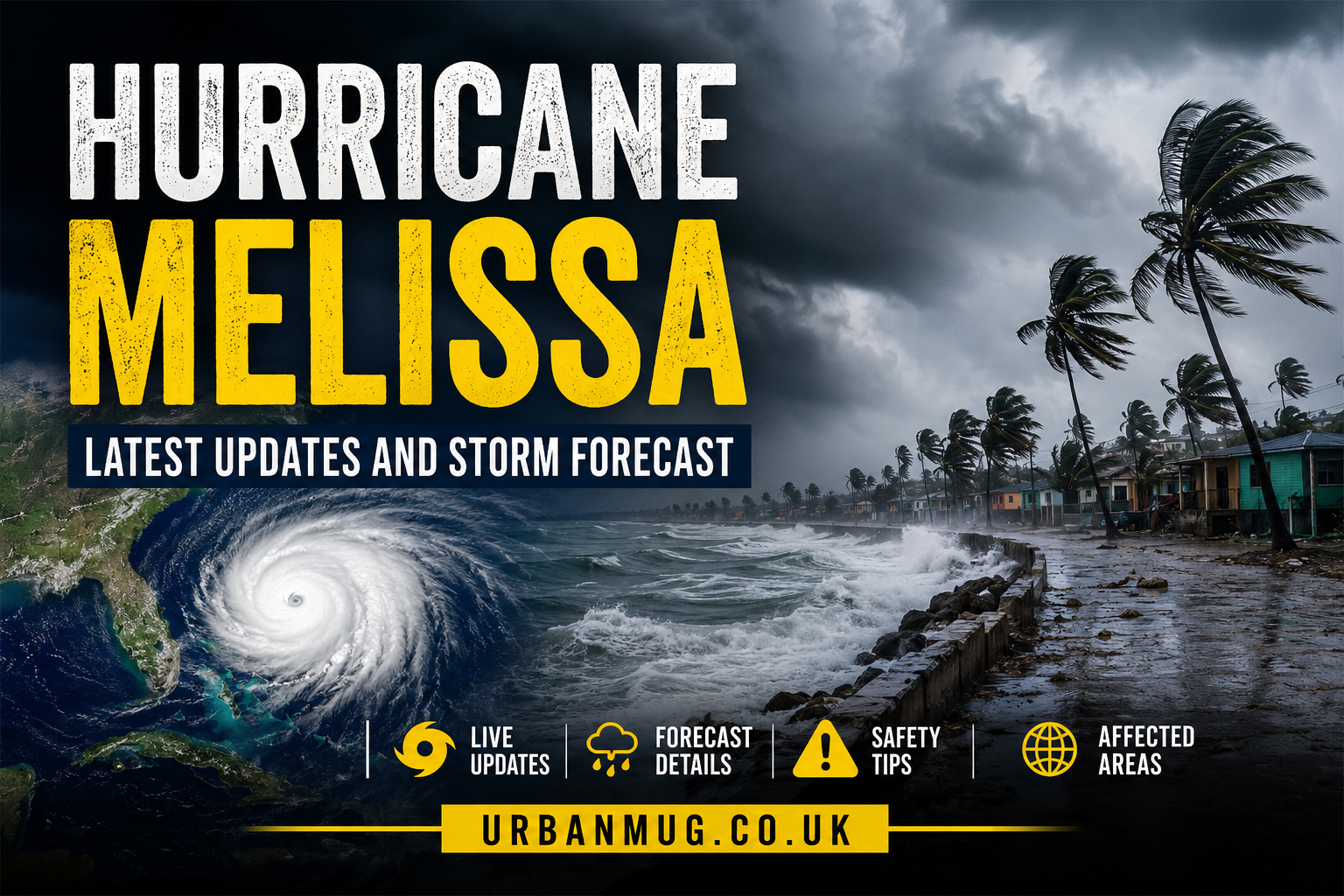
Hurricane Melissa: Latest Updates and Storm Forecast
When a major hurricane forms over warm ocean waters, it can change lives in a matter of hours. Hurricane Melissa became one of the most talked-about storms of the 2025 Atlantic hurricane season because of its exceptional strength, destructive winds, and widespread impact across the Caribbean.
Whether you’re looking for the latest information, trying to understand how hurricanes develop, or preparing for future storms, this guide covers everything you need to know. We’ll explore Hurricane Melissa’s development, forecast, affected regions, weather conditions, safety recommendations, and lessons learned from this historic tropical cyclone.
If you follow hurricane season each year or simply want reliable weather information, this article provides an easy-to-understand overview while explaining the science behind powerful tropical storms.
What Is Hurricane Melissa?
Hurricane Melissa was an extremely powerful Atlantic hurricane that developed during the 2025 hurricane season. The storm rapidly strengthened over unusually warm Caribbean waters before making catastrophic landfall in Jamaica as a Category 5 hurricane.
Meteorologists closely monitored Melissa because of its rapid intensification, dangerous storm surge, destructive winds, and life-threatening rainfall. The storm later weakened as it crossed land before transitioning into a post-tropical cyclone over the North Atlantic. Reports following the storm described Melissa as one of the strongest Atlantic hurricanes ever observed by maximum sustained winds.
Hurricane Melissa at a Glance
| Feature | Details |
|---|---|
| Storm Name | Hurricane Melissa |
| Basin | Atlantic Ocean |
| Season | 2025 Atlantic Hurricane Season |
| Peak Category | Category 5 |
| Peak Winds | Approximately 185 mph (298 km/h) |
| Primary Impact Areas | Jamaica, Cuba, Haiti, Dominican Republic, Bahamas, Bermuda |
| Main Hazards | Extreme winds, storm surge, flooding, heavy rainfall, landslides |
| Final Status | Transitioned into a post-tropical cyclone |
How Hurricane Melissa Formed
Like many Atlantic hurricanes, Melissa began as a tropical wave moving westward from Africa.
Several favorable weather conditions helped the storm intensify:
- Very warm sea surface temperatures
- High ocean heat content
- Moist tropical air
- Low vertical wind shear
- Favorable atmospheric pressure patterns
Initially, Melissa remained a tropical storm with only gradual strengthening. However, once environmental conditions improved, the cyclone entered a period of rapid intensification, allowing wind speeds to increase dramatically within a short period.
Rapid intensification has become one of the biggest forecasting challenges in tropical meteorology because storms can strengthen much faster than expected.
Hurricane Melissa Storm Timeline
Tropical Disturbance
Melissa began as a tropical wave crossing the Atlantic before entering the Caribbean Sea.
Tropical Storm Stage
After developing organized thunderstorms and a defined circulation, it officially became Tropical Storm Melissa.
Rapid Intensification
Warm ocean waters fueled explosive strengthening as the storm evolved into a major hurricane.
Category 5 Hurricane
Melissa eventually reached Category 5 intensity, becoming one of the strongest Atlantic hurricanes on record by sustained wind speed.
Landfall
The hurricane struck Jamaica with catastrophic force before later affecting Cuba and nearby islands.
Weakening Phase
Interaction with mountainous terrain caused the storm to weaken steadily.
Post-Tropical Transition
After moving northward into cooler waters, Melissa lost tropical characteristics and became a post-tropical cyclone.
Latest Hurricane Melissa Updates
Although Hurricane Melissa is no longer an active tropical cyclone, it remains one of the defining storms of the 2025 Atlantic hurricane season.
The storm has since dissipated, and no active advisories remain. However, meteorologists continue studying Melissa because it demonstrated:
- Exceptional rapid intensification
- Historic wind speeds
- Record-low central pressure
- Significant storm surge
- Widespread flooding
- Severe infrastructure damage
Researchers are also examining how unusually warm ocean temperatures contributed to the hurricane’s intensity.
Areas Affected by Hurricane Melissa
Melissa impacted several Caribbean nations during its lifetime.
Jamaica
Jamaica experienced the most severe effects.
Communities faced:
- Catastrophic hurricane-force winds
- Extensive structural damage
- Major flooding
- Coastal storm surge
- Long-term power outages
- Agricultural losses
Cuba
Eastern Cuba experienced:
- Hurricane-force winds
- Heavy rainfall
- Flooding
- Damaged roads
- Fallen trees
Haiti
Although the hurricane’s center stayed offshore for part of its journey, outer rainbands produced intense rainfall that triggered flash flooding and landslides.
Dominican Republic
Heavy rain caused localized flooding and transportation disruptions.
Bermuda
Melissa weakened before approaching Bermuda, but strong winds and rough seas still affected the island.
Hurricane Melissa Forecast Explained
Forecasting hurricanes involves combining multiple weather models with satellite observations, aircraft reconnaissance, radar data, and ocean measurements.
For Melissa, forecasters monitored:
Storm Track
The projected path showed movement through the Caribbean before turning northward.
Wind Forecast
Meteorologists predicted continued strengthening once atmospheric conditions became favorable.
Rainfall Forecast
Many areas were expected to receive extremely heavy rainfall capable of causing flash floods.
Storm Surge Forecast
Low-lying coastal communities faced life-threatening storm surge, especially near the point of landfall.
Modern forecasting has improved significantly, yet rapidly intensifying hurricanes like Melissa remain difficult to predict with complete accuracy.
Why Hurricane Melissa Became So Powerful
Several factors contributed to Melissa’s extraordinary strength.
Exceptionally Warm Ocean Water
Warm water acts as fuel for tropical cyclones.
Low Wind Shear
Weak upper-level winds allowed thunderstorms to remain organized around the storm’s center.
Deep Atmospheric Moisture
Moist tropical air supported continuous thunderstorm development.
Strong Inner Core
A well-defined eye and eyewall enabled efficient energy transfer.
Together, these ingredients allowed Melissa to reach Category 5 intensity.
Understanding Hurricane Categories
The Saffir-Simpson Hurricane Wind Scale classifies storms based on sustained wind speed.
| Category | Wind Speed |
|---|---|
| Category 1 | 74–95 mph |
| Category 2 | 96–110 mph |
| Category 3 | 111–129 mph |
| Category 4 | 130–156 mph |
| Category 5 | 157+ mph |
Since Hurricane Melissa reached Category 5 strength, it represented the highest level of hurricane intensity.
Major Hazards Associated with Hurricane Melissa
Hurricanes involve much more than strong winds.
Storm Surge
Storm surge often causes the greatest loss of life during major hurricanes.
Flooding Rain
Heavy tropical rainfall can overwhelm rivers, drainage systems, and urban infrastructure.
Flash Floods
Rapid flooding may occur even many miles inland.
Landslides
Mountainous regions face increased landslide risks after prolonged rainfall.
Tornadoes
Outer rainbands occasionally produce tornadoes.
Coastal Erosion
Powerful waves reshape beaches and damage coastal infrastructure.
Hurricane Melissa Safety Tips
Preparing before a hurricane arrives can save lives.
Before the Storm
- Monitor official weather forecasts.
- Prepare an emergency kit.
- Charge electronic devices.
- Store drinking water.
- Secure outdoor furniture.
- Know evacuation routes.
During the Storm
- Stay indoors.
- Avoid windows.
- Listen to emergency broadcasts.
- Never drive through floodwaters.
- Keep emergency supplies nearby.
After the Storm
- Watch for downed power lines.
- Avoid contaminated floodwater.
- Inspect buildings carefully.
- Follow local emergency guidance.
- Document property damage.
How Meteorologists Track Hurricanes
Weather experts use advanced technology to monitor tropical cyclones.
Key forecasting tools include:
- Weather satellites
- Hurricane Hunter aircraft
- Ocean buoys
- Doppler radar
- Computer forecast models
- Surface weather stations
These technologies allow emergency agencies to issue warnings well before landfall.
Climate Change and Hurricane Melissa
Scientists continue studying whether climate change influenced Hurricane Melissa’s intensity.
While no single hurricane can be attributed entirely to climate change, research suggests warmer ocean temperatures can increase the likelihood of stronger storms, heavier rainfall, and more rapid intensification in some situations. Analyses of Melissa concluded that climate change likely amplified aspects of the storm’s winds and rainfall.
Economic and Human Impact
Melissa affected millions of people across multiple countries.
Major consequences included:
- Destroyed homes
- Damaged schools
- Hospital disruptions
- Agricultural losses
- Tourism setbacks
- Power outages
- Transportation interruptions
Recovery efforts required cooperation between local governments, emergency responders, humanitarian organizations, and international partners.
Lessons Learned from Hurricane Melissa
Every major hurricane offers valuable lessons.
Important takeaways include:
- Early preparedness saves lives.
- Forecast updates should be monitored regularly.
- Evacuation orders should never be ignored.
- Coastal communities need resilient infrastructure.
- Emergency communication systems remain essential.
- Community preparedness improves disaster response.
Frequently Asked Questions
Was Hurricane Melissa a Category 5 storm?
Yes. Hurricane Melissa reached Category 5 intensity before making landfall in Jamaica.
Where did Hurricane Melissa make landfall?
Its most significant landfall occurred in Jamaica before the storm later affected Cuba and other parts of the Caribbean.
Is Hurricane Melissa still active?
No. Melissa weakened after land interaction and eventually transitioned into a post-tropical cyclone.
What made Hurricane Melissa so dangerous?
Its combination of extreme winds, heavy rainfall, storm surge, rapid intensification, and widespread flooding created exceptionally hazardous conditions.
How can people prepare for future hurricanes?
Preparation includes maintaining emergency supplies, following official forecasts, understanding evacuation plans, and protecting homes before storms arrive.
Conclusion
Hurricane Melissa will be remembered as one of the most significant hurricanes of the 2025 Atlantic season. Its remarkable strength, rapid intensification, and devastating impacts highlighted both the power of nature and the importance of hurricane preparedness.
Although forecasting technology continues to improve every year, storms like Hurricane Melissa remind us that timely warnings, informed decisions, and community readiness remain the best defenses against severe weather.
If you found this guide helpful, consider sharing it with friends and family so more people understand hurricane safety, storm forecasting, and the importance of staying informed during hurricane season. Have thoughts or experiences related to Hurricane Melissa? Leave a comment and join the conversation.








Leave a Reply